 July 29, 2026 02:41
Straightening Teeth – Options for Clementi Patients
Choosing how to straighten your teeth is a decision that many people in Singapore face at some point. Whether you are considering treatment for yourself or your child, the options can feel overwhelming at first. Both clear aligners and fixed braces have their strengths, and the right choice depends on your daily habits, comfort preferences, and the specific condition of your teeth.
This guide explains the key differences between these two approaches in a straightforward way. It covers how each system works, what to expect during treatment, and how your lifestyle might influence which option suits you better. By the end, you will have a clearer understanding of what each path involves, making it easier to discuss your preferences with a dentist at Clementi or, your local practice.

Key Takeaways:
-
Clear aligners are removable trays that are nearly invisible when worn.
-
Traditional braces are fixed to the teeth and apply continuous pressure.
-
Aligners require consistent wear for the recommended hours each day.
-
Braces are often more suitable for complex bite and alignment issues.
-
Your eating habits, cleaning routine, and aesthetic concerns all influence the decision.
How Clear Aligners Gradually Shift Teeth
Clear aligners are a series of custom‑made plastic trays designed to move teeth in small, incremental steps. Each tray is worn for a set period, usually two weeks, before moving to the next in the series. The trays apply gentle pressure to specific teeth, encouraging them to shift into better positions over time. Because they are transparent, they are difficult to notice during everyday interactions, which appeals to many adults and teenagers.
The removability of aligners is a key feature. You take them out when eating, drinking hot beverages, or cleaning your teeth. This means there are no food restrictions, and maintaining your usual oral hygiene routine remains straightforward. However, the success of this method relies on discipline. If the trays are not worn for the recommended 20 to 22 hours each day, the treatment may take longer than planned. A dentist around Clementi can provide guidance on whether this option matches your daily habits.
How Traditional Braces Apply Consistent Pressure
Traditional braces consist of brackets bonded to each tooth, connected by an archwire that is held in place with small elastic bands. The wire is adjusted during regular appointments, creating steady pressure that gradually guides teeth into alignment. Because the system remains in place throughout the day and night, the force is continuous and does not depend on patient compliance once the braces are fitted.
This method is particularly effective for correcting more complex issues, such as rotated teeth, severe crowding, or bite discrepancies. It is also a reliable choice for younger patients who may not have the consistency needed to manage removable trays. A Clementi dental practice will assess your specific case to determine whether braces offer the most predictable outcome. Despite being more visible, many people choose braces because of their proven effectiveness across a broad range of conditions.
Comfort Levels During Daily Wear
Comfort is often the first consideration when people compare these two options. Clear aligners are made from smooth plastic that sits snugly against the teeth. There are no sharp edges or protruding parts, so the inside of your cheeks and lips are not irritated. When you switch to a new set of trays, you may feel some tightness or pressure for a day or two, but this typically fades as your teeth adjust.
Braces have metal components that can cause some initial discomfort. The brackets and wires may rub against the soft tissues of your mouth, especially in the first week. Dental wax can be applied to any areas that feel rough, which helps reduce soreness. Over time, most people become accustomed to the sensation. If you are someone who prefers a gentler start, aligners may feel more natural from the outset. A dentist near Clementi can show you what to expect with both options before you decide.
Treatment Timelines and Commitment
The duration of orthodontic treatment varies depending on the complexity of your teeth and how diligently you follow the plan. For clear aligners, the total time usually ranges from six months to two years. The speed of progress depends heavily on wearing the trays for the prescribed hours each day. Missing several hours regularly can slow down the process and extend the total treatment time.
Braces are typically worn for one to three years, with the exact period determined by the amount of correction needed. Because braces are fixed, you do not need to remember to put them on or take them off. This can be an advantage for people who prefer a set‑and‑forget approach. Your dentist will provide an estimated timeline after examining your teeth and taking X‑rays. This estimate helps you plan ahead, whether you are scheduling work commitments or school activities around your appointments.
Oral Hygiene and Maintenance Requirements
Keeping your teeth clean is important throughout orthodontic treatment to avoid decay and gum problems. With clear aligners, you remove the trays before brushing and flossing, so your normal routine does not change significantly. You also need to clean the trays themselves using a soft brush and mild soap or a specialised cleaning solution. This extra step is straightforward and takes only a few minutes each day.
Braces require more careful cleaning. Food can become trapped around the brackets and wires, so brushing after every meal is recommended. Interdental brushes and floss threaders are helpful for reaching areas that are difficult to access. Regular professional cleanings during the treatment period are also advisable. Your dentist will show you the best techniques to keep your teeth and gums healthy while the braces are in place. Good oral hygiene habits during this time reduce the risk of white spots or decay after the braces are removed.
Visibility and Self‑Consciousness
How much your orthodontic appliance shows is a significant factor for many people, especially those in professional or social settings. Clear aligners are nearly invisible from a short distance, making them a popular choice for adults who want to straighten their teeth without drawing attention. They are also favoured by students who may feel self‑conscious about wearing metal braces during their school years.
Traditional braces are more noticeable because of the brackets and wires. However, some patients enjoy the option of selecting coloured elastic bands, which can make the experience more enjoyable, particularly for younger wearers. The decision often comes down to personal preference. If you are concerned about appearance during treatment, discussing your feelings with a dentist at Clementi can help you weigh the aesthetic aspects against the clinical benefits of each option.
Making a Choice That Suits Your Routine
The final decision between aligners and braces depends on a combination of clinical and lifestyle factors. If your alignment concerns are mild to moderate and you are confident you can wear removable trays consistently, clear aligners offer a discreet and flexible path. If your teeth need more comprehensive movement or you prefer a low‑maintenance approach that does not rely on daily compliance, braces may be the better option.
Your daily habits matter too. People who snack frequently or enjoy a wide variety of foods may appreciate the ability to remove aligners during meals. Others may prefer not to think about taking a device in and out throughout the day. Both treatments ultimately lead to straighter teeth and improved oral function, so there is no incorrect choice as long as you commit to the process. Taking the time to understand the differences now will give you confidence in your decision.
Frequently Asked Questions (FAQs)
1. Can I eat normally with clear aligners?
Yes, because aligners are removable, you can eat all your usual foods. Simply take the trays out before meals and put them back afterwards. Braces require you to avoid hard, sticky, or chewy foods that could damage the brackets.
2. Which option is more painful?
Both options cause some discomfort as your teeth shift. Aligners may feel tight when you change to a new set, while braces can cause soreness after adjustments. The sensation is similar and usually fades within a few days.
3. How long does treatment usually take?
Treatment time depends on your specific case. Aligners typically take six months to two years, while braces generally take one to three years. Your dentist will give you a personalised estimate after an examination.
4. Is one option better for children?
Braces are often recommended for children and younger teenagers because they do not require the discipline of wearing removable trays. Aligners are generally suited to older teenagers and adults who can follow the wear schedule reliably.
5. Can I switch from aligners to braces during treatment?
It is possible to switch, but it is not common. Your dentist will discuss the best approach at the start to avoid unnecessary changes. If you are unsure, it is worth asking about your options before beginning treatment.
Read another Article: Dental Cost Guide for Clementi and West Coast
Posted July 29, 2026 02:41
 Singapore
 Reply
Reply
April 8, 2026 22:47
Emergency Dental Care and Oral Health Solutions
Experiencing a sudden and intense dental issue can be a worrying event that interrupts your daily routine and causes significant physical stress. At Ginza Dental, the clinical team recognises the impact an unexpected ache has on an individual and their family members. Whether you feel a sharp sensation while chewing your food or a dull pain that prevents sleep at night, professional support is available to provide same-day care. This local accessibility offers reassurance during times of health-related concern, ensuring that help is near when discomfort becomes difficult to manage. By selecting a practitioner who offers efficient consultations, you can work toward restoring your oral health and returning to your normal routine. Acting quickly when a problem arises is a functional way to protect your teeth and manage your overall well-being.
Key Takeaways:
-
Orthodontic evaluations for children are typically recommended from age seven.
-
Physical signs like facial swelling or fever indicate a need for urgent care.
-
Rinsing with warm salt water can help reduce local swelling at home.
-
Dental extractions may be categorised as simple or surgical depending on complexity.
-
Transparent pricing and payment plans help families manage unexpected dental costs.
Analysing the Causes of Severe Dental Discomfort
Staying composed is the first step toward evaluating the nature of your discomfort accurately. Oral pain can range from a minor irritation that occurs only occasionally to a disabling sensation that makes it difficult to focus on work or rest. It is helpful to stay calm while investigating whether the discomfort is restricted to a single tooth or if it appears to affect a larger area of the jaw. You might also observe if there is any visible swelling in the gums or if the pain is triggered primarily when biting down on food.
While temporary mild discomfort might be manageable for a short period, persistent or intense pain should not be ignored. Delaying a visit to a professional can make the clinical situation more complex and heighten the risk of complications. Pain is an internal signal that something requires attention, and addressing it promptly is vital for long-term health. Understanding the difference between minor sensitivity and a dental emergency is a key part of protecting your smile. Seeking guidance from a professional can help resolve the problem before it develops into a more extensive issue.
Practical Strategies for Temporary Home Relief
While waiting for a professional consultation, certain measures can help manage discomfort from the comfort of your home. Rinsing the mouth with warm salt water is a simple option to reduce local swelling and clean the affected area. Additionally, placing a cold compress or an ice pack on the outside of the cheek can help numb the area and manage inflammation. These methods serve as a useful first line of management against rising levels of pain while you prepare for your clinical visit.
Over-the-counter medications such as paracetamol or ibuprofen can provide temporary relief from a throbbing sensation or a sharp ache. You should always read the instructions on the packaging carefully and follow the recommended dosages. It is also advisable to avoid hot, cold, or sweet foods that might aggravate sensitivity and cause additional pain. Sleeping with the head raised can prevent increased circulation to the head, which sometimes worsens a throbbing ache. These steps are temporary and do not replace professional treatment from a qualified practitioner.
Clinical Approaches to Tooth Extraction
When a tooth cannot be repaired with a standard filling or crown, a clinical extraction may be the most appropriate solution for your oral health. The process begins with a professional assessment, which often includes digital X-rays to see the tooth's position and the surrounding bone. For teeth visible above the gum line, a simple extraction is performed using instruments called elevators and forceps. The area is numbed with local anaesthesia to ensure the patient feels pressure rather than sharp pain during the removal.
Surgical extractions are required for more complex cases, such as when a tooth has broken off at the gum line or is impacted. This method involves a small incision in the gum to allow the clinician to access and remove the tooth safely. This procedure is common for impacted wisdom teeth and may require a few stitches to support healing. A professional will explain which type of extraction is necessary before the treatment begins. Diagnostic imaging ensures that the clinical team can plan the procedure with precision to minimise trauma to the surrounding tissues.
Navigating the Recovery and Healing Process
Correct aftercare is essential for speeding up the healing process and preventing complications such as dry socket. Immediately after the procedure, you should bite gently on a gauze pad for thirty to forty-five minutes to help a blood clot form. It is important to rest for the remainder of the day and avoid any strenuous physical activity. During the first twenty-four hours, you should not rinse your mouth, spit forcefully, or use a straw, as these actions can dislodge the blood clot.
After the initial twenty-four-hour period, you can begin rinsing gently with warm salt water two to three times daily. Sticking to a soft food diet, including items like yoghurt, soup, and mashed potatoes, helps protect the surgical site during the first few days. Applying an ice pack to the cheek for short intervals during the first day can also assist in reducing external swelling. Most patients feel significant improvement within two to three days after the procedure. If you experience severe pain or signs of infection, you should contact your clinician for a follow-up review.
Early Orthodontic Monitoring for Children
Orthodontic evaluations for younger patients are generally advised from the age of seven as adult teeth begin to emerge. At this stage, a clinician can monitor the alignment, bite patterns, and the amount of space available in the jaw. Identifying issues such as overcrowding, large gaps, or an uneven bite early allows for better clinical planning. This interceptive approach can guide jaw growth while it is still maturing, potentially making future treatments simpler and more effective.
There are various appliance options available for children and adolescents, depending on their specific dental requirements and comfort. Durable metal braces are a common choice for correcting significant alignment concerns. For those who prefer a less visible option, ceramic braces match the natural colour of the teeth, while clear aligners may be suitable for mild cases. A professional will help parents understand which choice complements their child's daily activities and hygiene needs. Regular checks every few months ensure that the growth and tooth movement are progressing as expected.
Transparency in Clinical Costs and Payments
The financial aspect of dental care is a common consideration for families, especially when an urgent procedure is required. Simple extractions generally range from eighty to two hundred dollars, while surgical procedures for impacted teeth can cost three hundred to seven hundred dollars. It is practical to request a written estimate before a procedure begins to ensure there are no unexpected fees. Reputable clinics prioritise transparency by including consultation, imaging, and follow-up visits in their quotes.
Many practices offer affordable payment plans to help households spread the cost of treatment over several months. For surgical extractions, some patients may be eligible to utilise MediSave to help manage the overall expense. Discussing these options during the initial consultation allows for better budgeting and reduces the stress associated with unplanned dental work. Transparency in pricing helps patients make informed decisions about their healthcare while ensuring they receive appropriate clinical support.
Selecting Professional Support in Your Locality
Choosing a clinic located near home or school can make managing regular appointments and emergency visits much easier. A facility with modern equipment and a professional team ensures that you receive standardised care during a distressing time. Residents in the western region benefit from clinics that provide clear communication and a patient-centred focus. Accessing care within your community allows for prompt intervention and easier follow-up reviews as your oral health recovers.
A friendly and supportive staff can help ease the anxiety often associated with urgent dental visits. Knowing that a qualified dentist at Clementi is available for same-day treatment provides significant peace of mind. These practitioners are dedicated to restoring your smile and ensuring you return to good health efficiently. Building a relationship with a local practice through regular check-ups every six months is the most effective way to identify issues early and prevent future pain.

FAQs
-
How painful is a tooth extraction procedure? Local anaesthesia is used to numb the area, so you should feel pressure or tugging rather than sharp pain.
-
How long does it typically take to heal after a tooth is removed? Initial gum healing takes about one to two weeks, while the underlying bone fills in over several months.
-
What is dry socket, and how can it be avoided? Dry socket occurs when the blood clot dislodges too early; avoid smoking, spitting forcefully, or using straws for three to five days.
-
Are there any alternatives to extracting a tooth? Depending on the condition, alternatives may include root canal treatment to save the tooth or antibiotics to manage an infection.
- When should my child have their first orthodontic check? A first orthodontic assessment is usually recommended around the age of seven to monitor emerging adult teeth and jaw growth.
Read another Article: Planning Your Child's Orthodontic Journey in Clementi
Posted April 8, 2026 22:47
February 26, 2026 03:51
Teen Aligners vs Fixed Braces Guide
Adolescence is a period of significant growth, and dental development is a central part of this transition. For many teenagers, achieving a straight and functional smile is a priority that impacts both their physical health and their emotional well-being. As parents explore the available options in Singapore, the decision typically narrows down to two primary methods: conventional fixed braces and removable clear aligners. Understanding the distinct mechanical differences, lifestyle implications, and daily responsibilities of each system is essential. This guide offers a balanced exploration of these orthodontic treatments, providing families with the foundational knowledge required to navigate their options. By reviewing the practical and clinical aspects of both approaches, parents and teens can approach their dental journey with clarity and confidence.
Key Takeaways:
-
Thorough clinical diagnostics are required before choosing a treatment path.
-
Fixed braces deliver continuous pressure for highly predictable tooth movement.
-
Removable aligners offer aesthetic discretion and eliminate dietary restrictions.
-
Strict compliance with wearing aligners is necessary to avoid treatment delays.
-
A long-term retention plan is essential to maintain the final dental alignment.
The Initial Consultation Phase
The foundation of any successful orthodontic procedure is a comprehensive clinical evaluation. When families decide to address dental alignment, scheduling an assessment is the crucial first step. During this visit, a dentist at Clementi will conduct a detailed examination of the teenager's oral cavity, focusing on bite alignment, jaw relation, and individual tooth positioning. To gain a complete understanding of the underlying bone structure, the practitioner will take digital photographs, panoramic X-rays, and highly accurate three-dimensional scans of the teeth. These diagnostic tools are indispensable because they reveal issues that are not apparent during a standard visual inspection, such as unerupted teeth, unique root angulations, or underlying bone density variations. The practitioner will then explain the biological process of moving teeth through the jawbone, outlining which appliance system is clinically suitable for the specific anatomical presentation of the patient.

Mechanics of Fixed Orthodontics
Traditional fixed braces have a long history of delivering highly effective results, particularly for complex alignment challenges and severe bite discrepancies. This method involves attaching small, precisely engineered brackets to the front surface of each tooth using a specialised dental adhesive. An archwire is then carefully threaded through the slots of these brackets and held securely in place by tiny elastic ligatures. The core principle behind this system is the application of continuous, gentle tension. As the wire attempts to return to its original, manufactured shape, it exerts force on the teeth, prompting the surrounding jawbone to remodel. Osteoclasts break down bone on the pressure side, while osteoblasts build new bone on the tension side, allowing the teeth to shift. The notable benefit of this system for teenagers is its constant operation. Because the appliance is permanently attached for the duration of the treatment, it does not rely on the patient remembering to wear it, ensuring steady progress regardless of the teenager's daily schedule.
The Science of Clear Aligners
In recent years, clear aligner therapy has emerged as a popular alternative to fixed brackets, utilising advanced computer-aided design and manufacturing. Instead of metal components, this system uses a sequenced series of custom-fabricated, transparent plastic trays. Each tray is slightly different from the last, designed to guide the teeth incrementally toward their final prescribed positions. The patient wears a single set of trays for a designated period, typically one to two weeks, before advancing to the next set in the series. The aesthetic advantage of clear aligners is a significant draw for appearance-conscious teenagers. The trays are virtually invisible when worn, allowing students to speak, smile, and participate in social activities with privacy. Additionally, because the trays are removed during meals, teenagers face zero dietary restrictions; they can continue to eat crunchy or chewy foods that would otherwise damage traditional brackets. However, this flexibility requires immense discipline, as the trays must remain in the mouth for twenty-two hours every day to achieve the desired clinical outcome.
Managing Daily Oral Hygiene
Maintaining excellent oral hygiene is absolutely critical during orthodontic care to prevent permanent enamel decalcification and decay. Fixed braces introduce a layer of complexity to the daily brushing routine. The brackets and wires create numerous tiny ledges where food debris and bacterial plaque can easily accumulate. Teenagers must adopt a thorough cleaning regimen, utilising specialised tools such as interdental brushes and floss threaders to navigate around the hardware and keep the enamel and periodontal tissues healthy. Clear aligners offer a much simpler approach to oral hygiene. Because the teenager removes the appliance completely before eating and cleaning, they can brush and floss their teeth exactly as they did before starting treatment. This unobstructed access significantly reduces the risk of plaque buildup and gum inflammation. The aligner trays themselves also require diligent daily cleaning with a soft toothbrush and cool water to prevent bacteria accumulation and maintain their transparent appearance.
Timeframes and Clinic Visits
The total duration of an orthodontic programme depends entirely on the complexity of the initial dental issues and the biological response of the patient. While some minor cosmetic corrections can be completed in under a year, a comprehensive treatment plan to address bite alignment typically spans from eighteen months to three years. Throughout this timeframe, the teenager must attend routine appointments every four to eight weeks. For patients with fixed braces, these visits allow the practitioner to evaluate the movement, change the elastic ligatures, and progress to thicker archwires to maintain the necessary tension. For those using clear aligners, these appointments are necessary to verify that the teeth are tracking perfectly with the digital simulation and to dispense the subsequent batches of trays. Having a local clinic is highly advantageous for busy families, as it minimises travel time and allows for swift intervention if an unexpected issue, such as a lost aligner or a loose bracket, arises during the school term.
Financial Planning for Families
Investing in a teenager's smile requires careful financial planning. The total expenditure for orthodontic care in Singapore varies based on the chosen technology, the length of the programme, and the specific clinical requirements of the case. Traditional metal braces generally present a more accessible price point for many families, making them a practical choice for extensive corrections. Clear aligner systems frequently involve a higher financial commitment due to the sophisticated software, licensing fees, and proprietary manufacturing processes used to create the individualised plastic trays. When consulting with a dental professional, parents should ensure they receive a transparent and comprehensive breakdown of all associated costs. A complete fee structure should include the initial diagnostic records, the active appliances, all scheduled adjustment appointments, and the retention devices supplied at the end of the programme. Understanding these costs in advance allows families to budget effectively and explore suitable instalment plans.
The Critical Retention Stage
The active phase of moving teeth is only the first part of the orthodontic journey; preserving those results is equally important. Once the braces are detached or the final aligner tray is discarded, the teeth are highly susceptible to shifting back toward their original, irregular positions. This natural tendency, known as orthodontic relapse, is managed through the strict implementation of a retention protocol. Patients will be fitted with custom retainers, which may be removable clear plastic trays, traditional wire-and-acrylic appliances, or a discreet wire bonded permanently to the back of the front teeth. The dental practitioner will outline a specific wear schedule, which usually involves full-time wear initially, followed by nightly wear indefinitely. Committing to this retention phase is the proven method to protect the significant investment of time and resources, ensuring the dental alignment remains stable and functional throughout adulthood.
Reaching the Right Conclusion
Selecting the appropriate orthodontic pathway is a collaborative process that balances clinical necessity with the teenager's lifestyle and maturity level. Clear aligners present an appealing option for responsible teenagers who value aesthetic discretion and dietary freedom, provided they can commit to the rigorous daily wear schedule. Conversely, fixed braces offer a robust, compliance-free solution that is capable of addressing intricate bite issues and complex tooth movements without relying on the patient's daily habits. By engaging in open discussions with a qualified dental professional, families can carefully weigh the benefits and responsibilities associated with each system. A comprehensive understanding of the daily maintenance, financial investment, and long-term retention requirements empowers parents and teenagers to make an informed choice. Ultimately, the shared objective is to achieve a functional, healthy, and beautifully aligned smile.
Read another Article: Clinical Pathways for Tooth Whitening in Clementi
Posted February 26, 2026 03:51
July 24, 2025 21:32
After-Hours Dental Care for West Coast
A dentist near West Coast offering evening services ensures Singapore residents can access dental care without conflicting with their work schedules. Ginza Dental, a Clementi Dental Clinic, provides flexible appointments for routine and specialized treatments after hours. This article explores the benefits of evening dental care, available services, cost planning, what to expect during visits, and how to choose a dentist near me for convenient after-hours care.
1. Managing Dental Care with Work Demands
A dentist at Clementi with evening hours helps residents manage oral health without taking time off work, reducing disruptions to their daily routines. Singapore’s fast-paced work culture often makes daytime dental visits challenging, leading to delayed care that can worsen dental issues. Evening appointments allow individuals to schedule teeth scaling and polishing after office hours, ensuring timely care for routine and urgent needs.
A dentist around Clementi offers accessibility for professionals facing long workdays or commuting challenges in Singapore’s bustling environment. This flexibility ensures families can arrange evening appointments, maintaining consistent oral health without logistical hurdles. Clinics like Ginza Dental understand the needs of busy communities, providing tailored solutions for after-hours dental care.

A dentist near me supports residents by offering convenient access to care, allowing them to address dental concerns promptly without conflicts with their workday. This accessibility prevents minor issues, such as cavities or gum disease, from escalating into complex conditions that require extensive treatment. Evening services integrate dental care seamlessly into busy lifestyles, promoting healthier smiles across Singapore, including routine exams with a dentist at Clementi from Ginza Dental Surgery.
2. Evening Dental Treatment Availability
A dentist near Clementi provides a range of treatments during evening hours, including teeth scaling and polishing, which falls under the teeth cleaning cost in Singapore of SGD 100 to SGD 200. These services remove plaque and tartar buildup, preventing cavities and gum disease for patients of all ages. Evening availability ensures professionals can access routine care without interrupting their work commitments.
Children benefit from preventive treatments like fluoride applications and dental sealants, fostering healthy dental habits early on. Adults may need fillings, costing SGD 80 to SGD 250 per tooth, or cosmetic treatments like teeth whitening. An endodontist in Singapore offers root canals in the evening, with the dental cost in Singapore for such procedures ranging from SGD 500 to SGD 1,500, depending on complexity.
For urgent needs, a Clementi Dental Clinic provides services like wisdom tooth extractions, with the wisdom tooth extraction cost in Singapore ranging from SGD 150 to SGD 1,200, based on surgical requirements. Emergency treatments for broken teeth are also available, ensuring comprehensive care after standard hours for residents with demanding schedules.
3. Budgeting for Evening Dental Care
Understanding the dental cost in Singapore helps residents budget effectively for after-hours dental care without financial strain. Routine appointments, including teeth cleaning cost Singapore, typically cost SGD 50 to SGD 150, depending on the clinic’s facilities and expertise. These affordable preventive measures help avoid costly treatments by addressing dental issues early, supporting long-term savings.
Specialized procedures, such as root canals performed by an endodontist in Singapore, range from SGD 500 to SGD 1,500, influenced by factors like tooth position and diagnostics. The wisdom tooth extraction cost in Singapore ranges from SGD 150 to SGD 1,200, varying based on impaction or sedation needs, ensuring evening clinics remain accessible.
Comparing dental clinic Singapore price options helps identify affordable care. Many clinics, including Ginza Dental, offer payment plans or accept insurance, making treatments like teeth scaling and polishing or emergency repairs manageable. Staying informed about dentist Singapore price ranges allows residents to prioritize oral health while managing financial constraints.
4. Expectations for Evening Dental Visits
Visiting a dentist around Clementi in the evening involves thorough assessments to identify dental issues before they escalate. Routine appointments include teeth scaling and polishing, with the teeth cleaning cost in Singapore ranging from SGD 50 to SGD 150, ensuring clean teeth and healthy gums. These services are tailored to fit after-work schedules, accommodating busy professionals.
An endodontist in Singapore performs root canals during evening hours, using advanced tools to numb the area and seal the tooth, prioritizing patient comfort. Emergency treatments for broken teeth, such as bonding or crowns, restore function and aesthetics efficiently for patients seeking care after regular hours, ensuring seamless care delivery.
Wisdom tooth extractions, managed by a dentist at Clementi, are completed with minimal discomfort, using modern equipment like digital imaging. Evening clinics maintain a welcoming environment, ensuring patients feel relaxed during late appointments, whether for routine care or complex treatments, providing comprehensive care at Ginza Dental.
5. Selecting an Evening Dental Provider
Selecting a dentist near me with evening hours requires verifying the dentist’s credentials with the Singapore Dental Council to ensure professional standards. Clinics offering a range of services, from teeth scaling and polishing to specialized treatments like root canals, provide convenience for after-hours care. Accessibility is crucial for residents seeking reliable dental services.
Patient reviews offer insights into a clinic’s reliability, while modern facilities indicate quality care. A dentist near West Coast or a dentist near Clementi ensures convenient access, supporting regular visits for preventive and emergency needs, making it easier for residents to maintain oral health without disrupting work.
Comparing dental clinic Singapore prices for procedures like wisdom tooth extraction cost Singapore or teeth cleaning cost Singapore helps identify cost-effective options. A local clinic’s evening availability and affordability, such as at Ginza Dental, support consistent dental care, ensuring residents prioritize oral health without barriers, promoting healthy smiles across Singapore.
Posted July 24, 2025 21:32
April 16, 2025 12:25
Painless Dental Appointments with a Trusted Dentist at Clementi
When seeking dental care in Singapore, finding a provider who combines clinical excellence with patient comfort can transform your healthcare experience. For residents in western Singapore, connecting with a skilled dentist near Clementi offers the perfect solution for convenient, comprehensive, and comfortable dental services. These neighborhood professionals understand local needs and deliver personalized care designed to promote lifelong oral health.
I. Advantages of Clementi Dental Practices
Choosing a dentist at Clementi provides significant benefits that enhance both treatment outcomes and overall patient satisfaction. The strategic location creates unparalleled convenience, reducing travel time and making regular dental visits more accessible. This proximity proves especially valuable during unexpected dental emergencies when prompt care can prevent complications and relieve acute discomfort.
1. Location Accessibility
The central positioning of Clementi dental practices within the community creates exceptional convenience for residents. Having a dentist around Clementi means minimal commute time for appointments, encouraging more consistent preventive care that helps avoid serious dental complications. The neighborhood's excellent connectivity through public transportation networks ensures patients can reach appointments without vehicle dependency.

2. Community Integration
A dentist at Clementi develops meaningful connections with their community, fostering relationships built on trust and understanding. This community integration allows professionals to develop deeper insights into prevalent oral health concerns in the area and tailor their services accordingly. Many Clementi dental professionals actively participate in local health initiatives, demonstrating their commitment to neighborhood well-being.
II. Efficient Appointment Systems
Modern dental clinics near Clementi prioritize patient time through streamlined scheduling protocols and optimized clinical workflows. A quality dentist at Clementi implements efficient appointment systems that minimize unnecessary waiting periods while maintaining thorough care standards. Advanced booking platforms facilitate convenient scheduling that accommodates diverse work and family commitments.
Technology-Enhanced Efficiency
Contemporary dental practices in Clementi integrate cutting-edge technologies that significantly reduce treatment duration without compromising quality. Digital imaging produces immediate diagnostic results, computer-aided design facilitates faster restoration fabrication, and modern equipment enables more precise and efficient interventions. These technological advances translate to shorter appointments with superior outcomes.
III. Comfort-Centered Care Philosophy
Dental anxiety represents a significant barrier to regular care for many individuals. Addressing this common concern, a compassionate dentist around Clementi implements multiple comfort-enhancing measures throughout the treatment experience. From thoughtfully designed reception areas to gentle clinical approaches, every aspect of the patient journey aims to alleviate apprehension.
Advanced Pain Management
Professional dental practices in Clementi prioritize comfortable treatment experiences through sophisticated pain management techniques. Practitioners employ precise anesthetic delivery methods, offer appropriate sedation options for anxious patients, and utilize minimally invasive procedures that preserve healthy tissue while reducing recovery discomfort. These approaches ensure virtually pain-free treatments across procedure types.
IV. Comprehensive Service Offerings
Dental clinics in Clementi provide extensive treatment options that address the full spectrum of oral health needs. Preventive services maintain optimal dental health through regular examinations and professional cleanings. Restorative procedures repair damage from decay or trauma, while cosmetic treatments enhance smile aesthetics. Specialized services address functional concerns, creating a complete care ecosystem within a single trusted practice.
Establishing a relationship with a reliable dentist near Clementi delivers more than just convenience—it creates a healthcare partnership supporting lifelong oral wellness. Through their emphasis on efficient, comfortable, and comprehensive care, Clementi dental professionals provide an outstanding resource for residents seeking quality services with minimal stress and maximum effectiveness. Whether you need routine preventive care or more complex treatments, a dentist at Clementi offers the ideal combination of neighborhood convenience and clinical excellence.
Posted April 16, 2025 12:25
March 27, 2025 08:18
Demystifying Dental Care Selection: A Patient's Comprehensive Journey in Singapore
Choosing the right dental professional is akin to selecting a long-term health partner. In Singapore's sophisticated healthcare landscape, this decision becomes a nuanced exploration of expertise, technology, and personal comfort. This comprehensive guide will walk you through the intricate process of finding a dental specialist who can truly support your oral health journey.
I. The Foundation of Trust: Professional Credentials Explained
Understanding a dentist's professional credentials is like reading the blueprint of their medical expertise. The Singapore Dental Council serves as the ultimate guardian of healthcare standards, ensuring that every registered practitioner meets rigorous professional and ethical requirements. This regulatory body does more than simply maintain a list—it creates a robust framework of trust and competence that protects patients.
When verifying credentials, patients should view this process as more than a bureaucratic exercise. The council's online verification portal offers transparent access to practitioners' current registration status. However, true excellence extends beyond basic registration. Look for dentists who have pursued additional specializations, demonstrating a commitment to continuous learning and advanced expertise in specific dental domains.
II. Comprehensive Care: Understanding the Holistic Approach
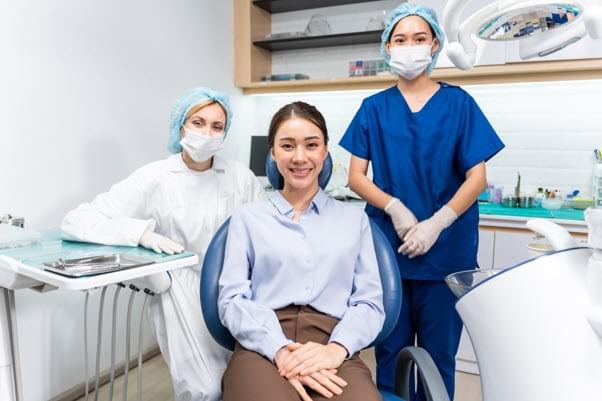
Modern dental practices in Singapore represent sophisticated healthcare ecosystems rather than traditional treatment centers. Imagine a dental facility that serves as a complete health partner for you and your family—a place that offers a seamless continuum of care ranging from routine preventative maintenance to advanced specialized interventions.
The most exceptional clinics provide an integrated approach to oral health. This means patients can access a wide range of services under one roof, eliminating the need for multiple referrals and ensuring consistent, personalized treatment. From routine check-ups and professional cleanings to complex restorative treatments and cosmetic enhancements, a comprehensive dental center becomes a one-stop solution for your oral health needs.
III. Technological Innovation: Transforming Patient Experience
Technology has revolutionized dental care in ways that were unimaginable just a decade ago. Singapore's leading dentist at Clementi invests strategically in cutting-edge equipment that dramatically enhances diagnostic precision and treatment effectiveness. These technological advances do more than improve clinical outcomes—they fundamentally reshape the patient experience.
Digital imaging technologies provide unprecedented visualization of dental conditions, enabling early detection and more targeted interventions. Innovations like intraoral cameras allow patients to see exactly what their dentist observes, creating a transparent and educational experience. Laser treatment techniques minimize invasiveness, reduce recovery times, and often make procedures more comfortable than traditional methods.
IV. The Human Element: Beyond Clinical Expertise
Technical skill represents only one dimension of exceptional dental care. The most outstanding practitioners understand that building trust and creating comfortable patient experiences are equally crucial. Look for dental professionals who communicate with clarity, empathy, and genuine concern for your well-being.
This human-centered approach becomes particularly critical when considering family dental care. A dentist's ability to create positive, anxiety-free experiences for children can profoundly impact their lifelong attitudes toward oral health. The ideal practitioner combines clinical excellence with emotional intelligence, transforming potentially stressful medical encounters into supportive, educational interactions.
V. Practical Considerations: Navigating Accessibility and Finances
Singapore's dynamic urban landscape demands practical considerations in healthcare selection. The ideal dental practice should offer strategic location advantages, convenient scheduling options, and transparent financial structures. Consider clinics situated near public transportation, with extended hours that accommodate diverse work schedules and personal commitments.
Financial transparency represents another critical aspect of your selection process. The most reputable practices provide clear cost estimates, accept multiple insurance options, and offer flexible payment plans. Understanding the complete financial landscape of your dental care prevents unexpected expenses and allows for more effective healthcare planning.
Conclusion: Empowering Your Oral Health Journey
Selecting the right dental specialist in Singapore is a nuanced process that requires careful evaluation of multiple interconnected factors. By prioritizing professional credentials, technological capabilities, comprehensive services, and patient-centered care, you can identify a dental partner truly committed to your long-term health and wellness.
Remember, exceptional dental care transcends treating existing conditions—it's about building a proactive, preventative approach to oral health. Take time to research, ask thoughtful questions, and trust your instincts in this important healthcare decision. Your oral health is a lifelong journey, and the right dental professional can be an invaluable companion along the way.
Posted March 27, 2025 08:18
 RSS Feed
Recent Blog Entries
- Straightening Teeth – Options for Clementi Patients
- Emergency Dental Care and Oral Health Solutions
- Teen Aligners vs Fixed Braces Guide
- After-Hours Dental Care for West Coast
- Painless Dental Appointments with a Trusted Dentist at Clementi
Tags
Archive
- August 2026
- July 2026
- June 2026
- May 2026
- April 2026
- March 2026
- February 2026
- August 2025
- July 2025
- June 2025
- May 2025
- April 2025
- March 2025
- February 2025
- January 2025
- December 2024
- November 2024
- October 2024
- September 2024
- August 2024
- July 2024
- June 2024
- May 2024
- April 2024
- March 2024
- February 2024
- January 2024
- December 2023
- November 2023
- October 2023
- September 2023
- August 2023
- July 2023
- June 2023
- May 2023
- April 2023
- March 2023
- February 2023
- January 2023
- December 2022
- November 2022
- October 2022
- September 2022
- August 2022
- July 2022
- June 2022
- May 2022
- April 2022
- March 2022
- February 2022
- January 2022
- December 2021
- November 2021
- October 2021
- September 2021